
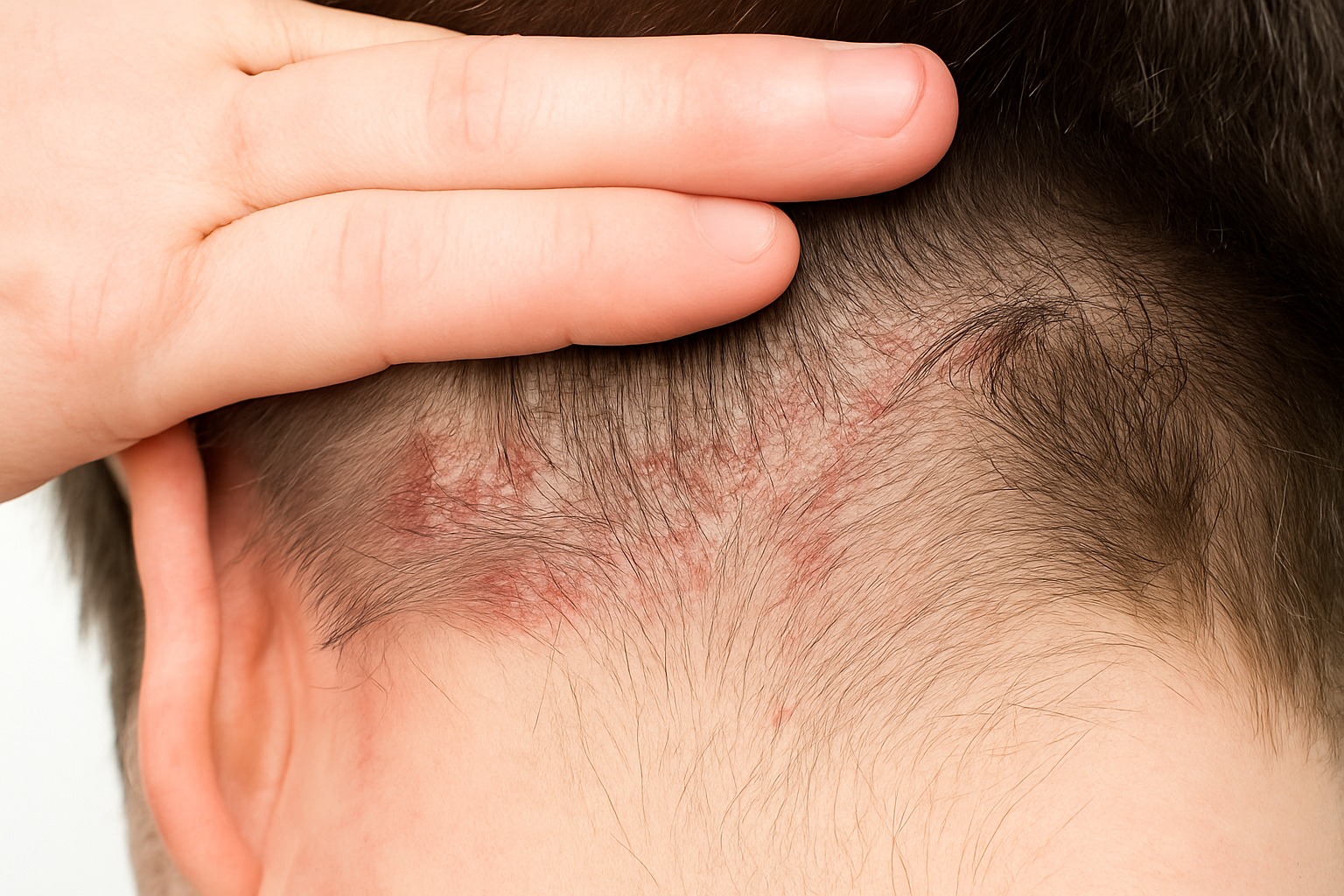
Scalp psoriasis is characterized by raised, reddish patches covered with silvery-white scales. These patches can extend beyond the hairline and may be accompanied by itching, burning, or soreness. In some cases, scalp psoriasis can cause temporary hair loss due to scratching or the presence of thick scales.
To identify psoriasis on the scalp, look for well-defined plaques that are distinct from the surrounding skin. These plaques can vary in size and may appear in isolated patches or cover large areas of the scalp. It’s important to differentiate scalp psoriasis from other conditions like seborrheic dermatitis, which tends to have a more diffuse, greasy appearance.
5. Home Remedies for Scalp Psoriasis
Several home remedies can help alleviate the symptoms of scalp psoriasis. One effective approach is the use of moisturizing agents, such as coconut oil or aloe vera gel, to soothe dryness and reduce scaling. Applying these agents to the scalp and leaving them on for several hours or overnight can help soften scales and ease discomfort.
Another remedy is the use of apple cider vinegar, which has natural antiseptic properties. Diluting it with water and applying it to the scalp can help reduce itching and inflammation. Additionally, regular exposure to sunlight, while protecting the skin from UV damage, can help slow down the rapid skin cell turnover associated with psoriasis.
6. Over-the-Counter Treatments to Consider
Over-the-counter (OTC) treatments can be beneficial for managing mild to moderate scalp psoriasis. Shampoos containing coal tar or salicylic acid are commonly used to reduce scaling and inflammation. Coal tar helps slow skin cell growth, while salicylic acid aids in the removal of scales.
Topical corticosteroids, available in various strengths, can also be effective in reducing inflammation and itching. It’s important to follow the instructions on these products carefully and consult with a pharmacist if you have any questions. Consistent use of these treatments can help manage symptoms and prevent flare-ups.
7. When to Seek Medical Attention
While home remedies and OTC treatments can provide relief, it’s important to seek medical attention if your child’s scalp condition worsens or does not improve with self-care measures. Persistent symptoms, such as severe itching, pain, or extensive scaling, warrant a professional evaluation.
Additionally, if your child experiences signs of infection, such as increased redness, swelling, or pus, it’s crucial to consult a healthcare provider promptly. A dermatologist can provide a definitive diagnosis and recommend prescription treatments tailored to your child’s specific needs.
8. Tips for Managing Scalp Psoriasis at Home
See continuation on next page
