
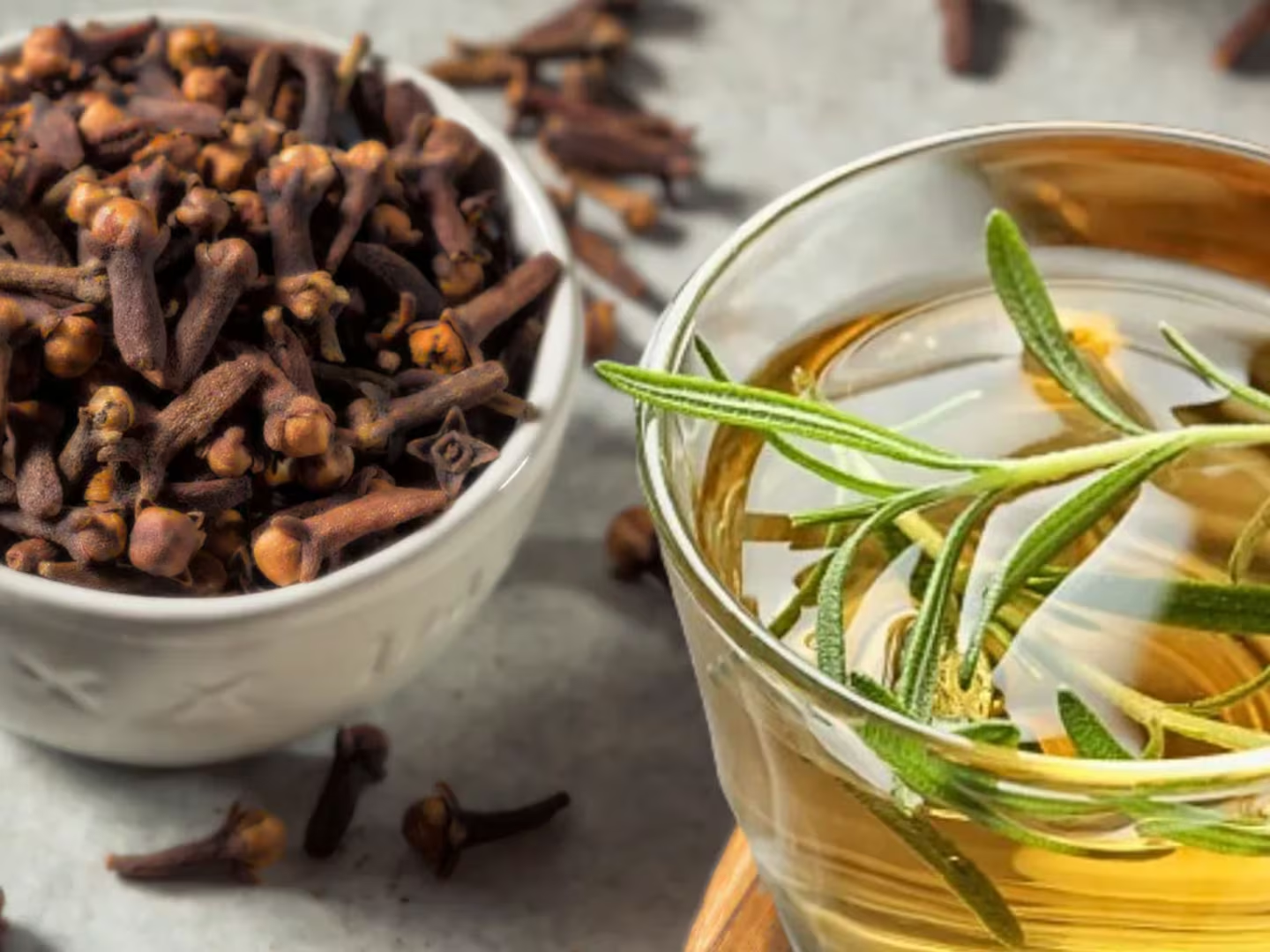
Get new hair in bald areas thanks to clove oil, rosemary, and bay leaves.
Patch-test: Apply a small amount behind the ear and wait 24 hours to rule out sensitivity.
Application frequency: Three to four times per week on a dry scalp. For active shedding phases, nightly use is acceptable.
Dosage: Warm about 2 teaspoons between your palms. Part hair and tap oil directly onto bald or thinning zones.
Massage: Spend four full minutes using gentle circular fingertip pressure. This duration mirrors a scalp-massage protocol shown to thicken hair shafts after 24 weeks.
Leave-in period: Let the oil sit for at least two hours; overnight delivers deeper penetration. Use an old pillowcase to avoid stains.
Wash-out: Rinse with a mild, sulfate-free shampoo and finish with cool water to seal the cuticle.
Consistency: Expect reduced shedding by week 3 and visible baby hairs by months 3 – 4 when combined with a balanced diet, adequate sleep, and stress management.

Benefits of This DIY Blend
Re-energises dormant follicles – clove eugenol and rosemary cineole boost scalp circulation and may stimulate dermal papilla cells.
Balances the scalp microbiome – clove’s antifungal properties combat dandruff, and bay-leaf tannins add antibacterial action.
Controls inflammation & DHT – castor oil’s ricinoleic acid may slow androgen-triggered miniaturisation.
Strengthens hair shafts – fenugreek provides lecithin and proteins that fill micro-fractures, reducing breakage.
Antioxidant shield – vitamin E neutralises free radicals, protecting follicular lipids during the anagen phase.
Protein & β-carotene boost – curry leaves fortify roots, helping prevent split ends and premature greying.
Mechanical scalp stimulus – four-minute massages stretch scalp tissue, which can up-regulate growth-related genes and increase shaft diameter over time.
Bottom line: Regularly massaging this clove-rosemary-bay-infused oil into bald spots offers a multi-pronged approach—enhancing blood supply, calming inflammation, nourishing follicles, and protecting newly forming keratin. With patient, consistent use, many DIY enthusiasts report visible fill-in of patchy areas within one growth cycle, and modern science supports the key actions of each ingredient.
