
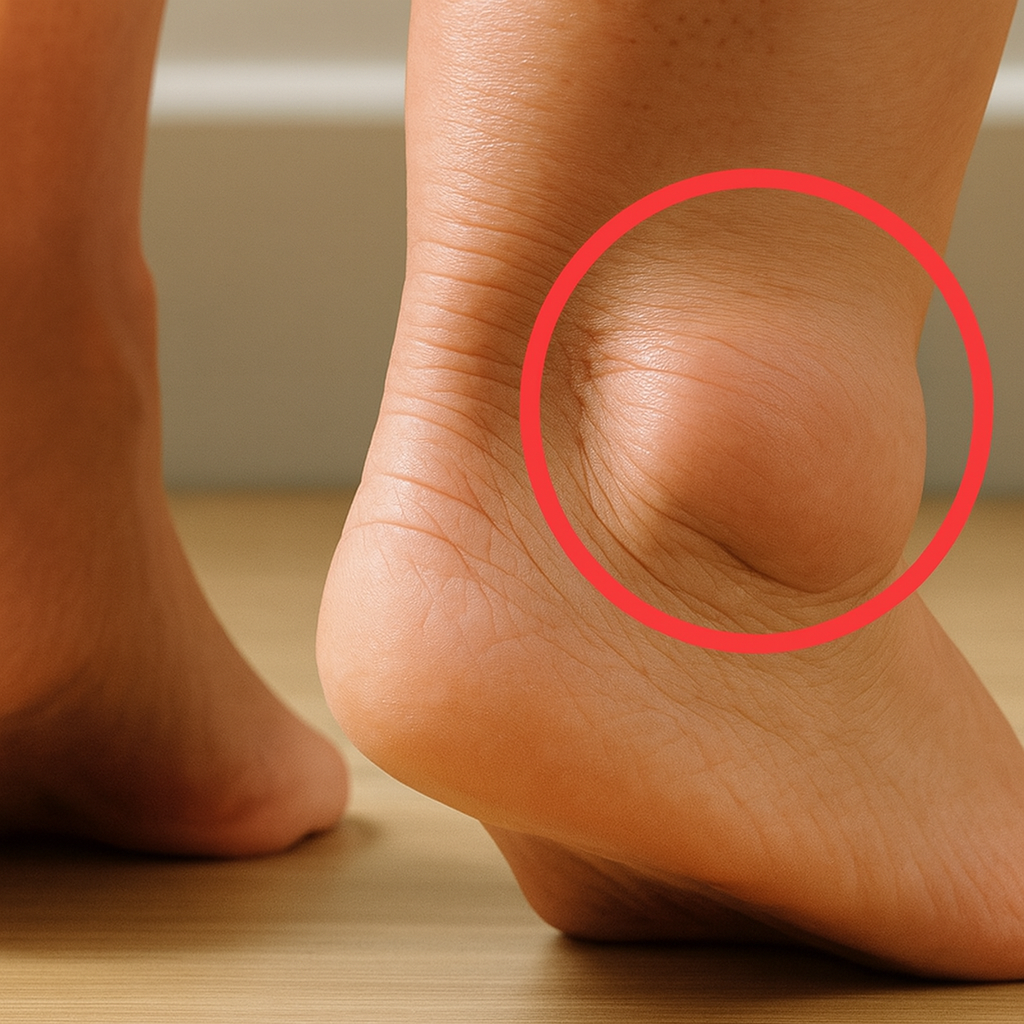
Swollen Legs and Feet: Causes, Symptoms & Natural Relief Methods
1. Cold Therapy for Quick Relief
Wrap a few ice cubes in a towel and place them on your feet for about 15–20 minutes. The cold helps reduce inflammation and brings soothing comfort—especially after a long day or in hot weather.
2. Elevate Your Legs
Lie down and lift your legs above your heart level using a pillow or by resting them against a wall. This position helps fluids flow back toward the heart and naturally eases swelling.
3. Relaxing Foot Soak
Soak your feet in warm water with a handful of Epsom salt. The warmth relaxes blood vessels, while the salt can help draw out excess fluid.
Tip: Add a few drops of lavender essential oil for a calming, spa-like experience.
4. Hot–Cold Contrast Bath
Use two basins—one with hot water and one with cold water.
Soak your feet in the hot water for 3–5 minutes
Switch to cold for 30–60 seconds
Repeat this for about 15–20 minutes
This contrast helps boost circulation and reduce fluid buildup in the feet.
5. Nutrient Support
A lack of certain nutrients—like magnesium, vitamin E, or omega-3s—can sometimes lead to water retention. Eating magnesium-rich foods such as leafy greens, almonds, and avocados, or taking supplements (if your doctor approves) can help your body stay balanced.
6. Essential Oil Massage
Mix a few drops of peppermint or cypress essential oil with a carrier oil like coconut or almond oil. Gently massage your feet in circular motions from the toes up to the calves. This helps improve blood flow and provides a relaxing effect.
Small Lifestyle Changes That Make a Big Difference
Watch Your Diet
Try to cut back on:
Salt
Processed foods
Alcohol
Caffeine
Instead, include:
Hydrating foods such as cucumbers and watermelon
Potassium-rich foods like bananas, spinach, and sweet potatoes
These foods help your body flush out excess sodium and maintain a healthy fluid balance.
Drink Herbal Teas
Herbal teas made from dandelion, parsley, or cherry stems can have a gentle diuretic effect, helping your body naturally release extra fluids.
Choose Comfortable Shoes
Avoid shoes that are tight or have high heels. Go for soft, supportive footwear that allows your feet to breathe. If swelling happens often, consider choosing shoes a half size larger for extra comfort.
When to See a Doctor
See continuation on next page
